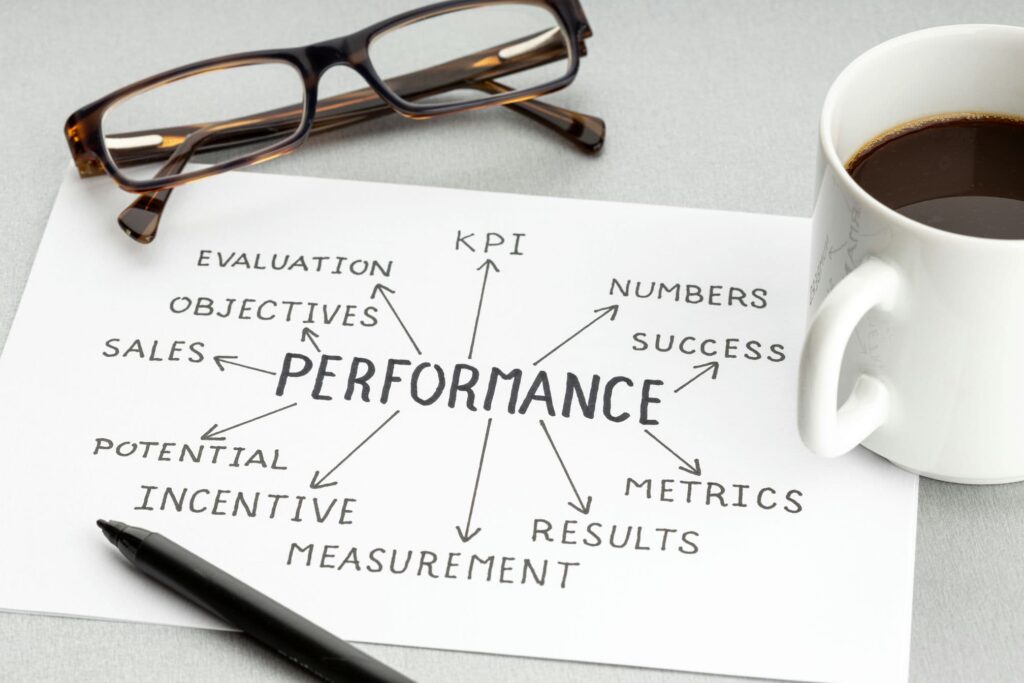
The words “performance improvement plan” (PIP) trigger anxiety in almost every workplace.
Employees dread them.
Managers avoid them.
HR teams see them misused, misunderstood, or applied far too late.
Across New Zealand and Australia, performance management is one of the most common sources of conflict — and one of the highest-risk areas if handled poorly.
But here’s the truth:
✔ A PIP is not a punishment.
✔ A PIP is not the start of dismissal.
✔ A PIP is not an HR weapon.
✔ A PIP is not a surprise.
A well-designed PIP is simply a structured support plan — a practical, fair, evidence-based tool to help an employee succeed.
Here’s your HR Unlocked guide to using PIPs properly, fairly and with confidence.
1. A PIP should never be the first conversation
If the employee first hears the words “performance concern” in a PIP meeting, the process is already unsafe.
Before a PIP, you must have:
- clear expectations,
- feedback conversations,
- coaching,
- documented concerns,
- examples of gaps,
- attempts to resolve informally.
A PIP is a formal escalation, not a discovery exercise.
2. The biggest mistake employers make: using PIPs as a disciplinary tool
A PIP is NOT:
- misconduct management,
- a punishment,
- a behaviour-warning,
- a threat,
- an exit strategy.
If the issue is conduct, use a disciplinary process.
If the issue is performance, use a PIP.
Confusing these two creates massive legal risk.
3. Performance vs misconduct: know the difference
Performance issues
- lack of skill
- unclear expectations
- inconsistent quality
- inability to meet deadlines
- disorganisation
- needing more support or training
- capability gaps
Misconduct
- behaviour problems
- refusal to follow instructions
- lateness
- attitude issues
- breaches of policy
- disrespect
- carelessness
Performance = support.
Misconduct = consequences.
4. The HR Unlocked PIP Framework (NZ + Australia)
A fair and effective PIP includes five components:
1. Clear expectations
Re-state:
- the role description,
- standards of work,
- KPIs,
- deadlines,
- behavioural expectations (if relevant),
- quality requirements.
The employee must understand exactly what success looks like.
2. Specific performance gaps
List:
- what’s not being met,
- examples of issues,
- dates,
- patterns,
- impact on team, customer or business.
General statements like “your work isn’t good enough” are unsafe.
Use factual examples.
3. Support the employer will provide
This is where most PIPs fail.
Support may include:
- training,
- shadowing,
- coaching,
- templates or tools,
- mentoring,
- clearer processes,
- workload adjustments,
- more regular check-ins,
- removal of barriers,
- prioritisation support.
If you cannot articulate support → the PIP is unfair.
4. Measurable goals
Each goal must be:
- specific,
- observable,
- measurable,
- timebound,
- achievable,
- directly connected to the employee’s role.
Examples:
- 95% accuracy in data entry by week 4.
- Respond to customer queries within 24 hours.
- Submit reports by the agreed deadline each week.
Clarity protects fairness.
5. Review checkpoints and timeframes
Set:
- weekly or fortnightly check-ins,
- clear review dates,
- written feedback after each review,
- opportunities to ask questions,
- willingness to adjust support if needed.
A PIP must feel like collaboration — not surveillance.
5. How long should a PIP last?
Best practice across NZ + AU:
- 4–8 weeks for most roles
- 8–12 weeks for complex, technical or senior roles
Too short = unfair.
Too long = unclear and exhausting.
6. What to say when you start a PIP (tone matters)
A safe, supportive script:
“We want you to succeed in this role. A performance improvement plan gives you clarity, support and a structured pathway to get there. This is not disciplinary — it’s a support plan. We’re going to work through it together.”
Tone determines trust.
7. What to avoid saying
- “HR is making me do this.”
- “This is your last chance.”
- “We’ve already decided the outcome.”
- “It’s not that serious — just sign it.”
- “If this doesn’t work, you’re gone.”
These statements destroy fairness and credibility.
8. When a PIP reveals issues aren’t performance-related
Sometimes during the PIP process you discover:
- wellbeing issues,
- poor management practices,
- workload problems,
- role clarity gaps,
- toxic team environments,
- training failures,
- bullying or hidden conflict,
- unreasonable expectations.
When this happens:
- pause the PIP,
- address the underlying issue,
- restart later if appropriate.
Fairness requires context.
9. Outcomes of a PIP: what’s fair and lawful?
1. Successful completion
Employee meets goals → PIP closed → celebrate progress → monitor ongoing.
2. Partial improvement
Extend PIP with adjusted support and goals.
3. No meaningful improvement
If performance remains below required standards after fair process and support, you may progress to:
- further performance management,
- role reassignment,
- termination (lawfully and respectfully).
Documentation must clearly support the decision.
10. Common employer mistakes (NZ + AU)
Avoid:
- poorly written PIPs,
- vague expectations,
- no support,
- moving straight to termination,
- inconsistent messaging,
- failure to document,
- emotional or punitive language,
- avoiding hard conversations,
- confusing conduct and performance,
- no consultation before implementing the PIP,
- “PIPs” delivered via email with no meeting.
These mistakes increase legal and reputational risk.
11. The human side: PIPs feel personal
Employees may feel:
- embarrassed,
- anxious,
- judged,
- confused,
- overwhelmed,
- angry,
- scared about job security.
Leaders may feel:
- uncomfortable,
- scared to say the wrong thing,
- unsure how to help,
- pressured by timelines,
- nervous about conflict.
A PIP done well is compassion paired with clarity.
One HR Unlocked client shared:
“We used to avoid PIPs entirely because they felt confrontational. The new framework made them supportive — and our employees actually improved.”
That’s what a good PIP achieves.
The bottom line
Performance Improvement Plans are not disciplinary tools — they are clarity and support tools.
Across NZ and Australia, the safest and most effective approach is to:
- diagnose the issue properly,
- separate performance from behaviour,
- consult before implementing,
- set clear goals,
- provide genuine support,
- document everything,
- follow through consistently,
- treat people with dignity.
Handled well, PIPs become pathways to success — not pathways to dismissal.
If you want ANZ-ready PIP templates, conversation scripts, coaching questions, performance frameworks and manager guides, HR Unlocked gives you everything you need — without the consulting fees or the legal jargon.
#HRUnlocked #PerformanceManagement #PIP #FairProcess #EmploymentLaw #FairWork #EmploymentRelationsNZ #PeopleAndCulture #ANZHR #Leadership #HRAdvice #HRMadeSimple